
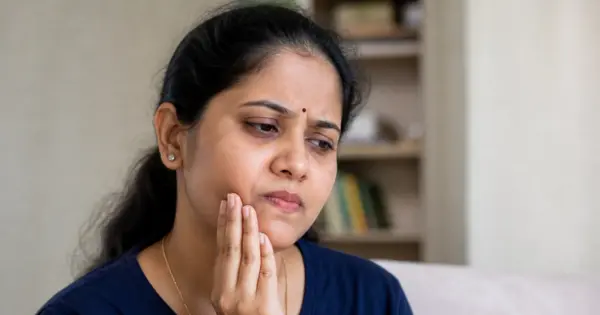
Can TMJ Go Away on Its Own?
This is one of the most common questions people ask when they start noticing jaw pain.
In the beginning, the pain may feel mild. You might notice a little discomfort while chewing, a slight clicking sound, or tightness in your jaw after waking up.
Because the symptoms are not always severe, many people choose to ignore them and hope they will go away with time.
In some cases, they do improve. But in many cases, the problem stays or even gets worse.
Understanding when TMJ can settle on its own and when it needs proper treatment can help you avoid long-term discomfort.
Can TMJ Go Away on Its Own?
The simple answer is: sometimes yes, but not always.
If the problem is caused by temporary stress or mild muscle strain, your body may recover on its own with rest.
For example:
- Short-term jaw clenching
- Temporary stress
- Minor muscle tightness
In these situations, symptoms like jaw pain in the morning or slight discomfort while chewing may reduce after a few days.
However, if the underlying cause is not addressed, the problem usually does not go away completely.
When TMJ Does NOT Go Away on Its Own
There are many cases where TMJ symptoms continue or become worse over time.
This usually happens when:
Ongoing Teeth Grinding
If you grind your teeth regularly, especially during sleep, the pressure on your jaw continues every night.
This often leads to repeated symptoms like pain and stiffness.
Habitual Jaw Clenching
Stress-related clenching is very common.
If this habit continues, it keeps putting pressure on your jaw joint and prevents healing.
Bite Problems
If your teeth don’t align properly, the jaw is always under uneven pressure.
This type of issue usually needs correction and does not fix itself.
Joint-Related Issues
If the problem is inside the jaw joint (TMJ), it usually requires proper diagnosis and treatment.
Signs That You Should NOT Ignore
It’s important to listen to your body.
You should consider getting help if you notice:
- Pain that keeps coming back
- A clicking sound in your jaw regularly
- Difficulty opening your mouth fully
- Pain while eating or jaw pain while chewing
- Headaches along with jaw discomfort
These signs usually mean the problem is not temporary.
What Happens If You Wait Too Long?
Many people delay treatment thinking it will improve.
But ignoring TMJ problems can lead to:
- Increased pain
- Reduced jaw movement
- More frequent headaches
- Difficulty eating comfortably
Over time, what started as a small issue can become more difficult to treat.
How TMJ Is Treated
The good news is that most TMJ problems can be treated without surgery.
The treatment depends on the cause.
Night Guards
If teeth grinding is the issue, a custom night guard can reduce pressure on your jaw.
Jaw Exercises
Simple exercises help relax muscles and improve movement.
Bite Adjustment
If your bite is uneven, small corrections can reduce stress on the joint.
Habit Correction
Reducing clenching and managing stress can make a big difference.
Pain Relief Support
If needed, initial care may focus on reducing pain so you can function normally.
If your symptoms are continuing, it’s better to explore proper TMJ treatment in Bangalore to understand the exact cause and get the right solution.
What You Can Do at Home
If your symptoms are mild, these steps may help:
- Avoid hard or chewy foods
- Be mindful of clenching
- Try relaxation techniques
- Use a warm compress
These can help reduce symptoms, but they don’t fix deeper issues.
When Should You See a Dentist?
You should not wait too long.
Consider visiting a dentist if:
- Symptoms last more than a few days
- Pain is increasing
- It affects your eating or speaking
- You notice multiple symptoms together
Early treatment is usually simpler and more effective.
TMJ can go away on its own in some mild cases, but not always.
If the problem is caused by ongoing habits like grinding, clenching, or bite issues, it usually needs proper treatment.
The key is not to ignore the signs.
If your symptoms are frequent or getting worse, getting it checked early can help you avoid long-term discomfort and make daily life easier.
FAQs
Can TMJ go away on its own without treatment in Bangalore?
In mild cases, TMJ symptoms may improve on their own. But if the problem is caused by grinding, clenching, or joint issues, treatment is usually needed.
When should I see a dentist for TMJ in Bangalore?
If your jaw pain lasts more than a few days, keeps coming back, or affects your daily activities, it’s best to consult a dentist.
Where can I get TMJ treatment in Bangalore?
You can visit a dental clinic in Bangalore that offers TMJ diagnosis and treatment based on your condition.
Is TMJ treatment available near Arekere or Bannerghatta Road?
Yes, TMJ treatment is available near Arekere and Bannerghatta Road. Early consultation can help manage the condition effectively.
Sources
https://www.mayoclinic.org/diseases-conditions/tmj/symptoms-causes/syc-20350941
https://my.clevelandclinic.org/health/diseases/15066-temporomandibular-disorders-tmd-overview
https://www.nhs.uk/conditions/temporomandibular-disorder-tmd/

Dr. Samreen Farrah Siddiqui is a compassionate and experienced dental professional dedicated to providing exceptional oral care. A trusted dentist in Bangalore, she is the founder of Dentistrée Advanced Dental Center in Bangalore, offering a wide range of treatments, including general, orthodontic, restorative, and cosmetic dentistry. With a strong commitment to ethical practice and long-term oral health, Dr. Samreen Farrah Siddiqui ensures every patient receives personalised, high-quality dental care in a welcoming environment.