
A missing tooth is more than a cosmetic concern. It affects how you eat, how you speak, and honestly, how confident you feel when you smile. For a lot of people in Bangalore, the first question isn’t “what are implants?” — it’s “will they even work for me?”
That question comes up constantly. Someone in their 60s wonders if they’re too old. A person managing Type 2 diabetes worries about healing risks. A smoker figures they’ll just be told no before they even sit down.
The truth is, determining who qualifies as a good candidate for dental implants isn’t a one-size-fits-all answer. It depends on your bone structure, gum health, overall health history, and a few other factors your dentist will assess during a proper consultation. This blog walks through all of it — clearly and honestly — so you know what to expect before you book that first appointment.
At its core, dental implant success depends on whether the implant can fuse properly with your jawbone and whether your mouth is healthy enough to support that process. Here’s what dentists typically look for:
Gum disease is one of the most common reasons someone may not be ready for implants right away. The gums need to be free of active infection. If you’ve been dealing with bleeding gums, persistent bad breath, or gum recession, those issues need to be treated first. Healthy gum tissue creates a stable foundation around the implant post and reduces the chance of complications after surgery.
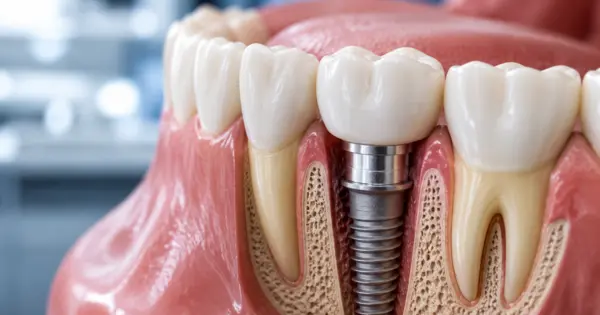
This is probably the most critical factor. The implant needs enough bone to anchor into. When a tooth has been missing for a while, the surrounding bone can slowly resorb (shrink). If bone loss has already occurred, it doesn’t automatically disqualify you — but it does mean the conversation about treatment options becomes a bit longer. More on that below.
Implants aren’t immune to problems. Just like natural teeth, they can be affected by bacterial buildup and infection if not properly cared for. Candidates who brush and floss consistently tend to have significantly better long-term outcomes.
Certain systemic conditions can affect healing. Conditions like uncontrolled diabetes, blood clotting disorders, or patients on specific medications (like long-term bisphosphonates for osteoporosis) may require additional evaluation before proceeding. None of these are automatic disqualifiers — but they need to be discussed openly with your implant specialist.
Yes, and this is a common misconception worth addressing directly. There is no upper age limit for dental implants.
What matters is not how old you are but how healthy your bones and gums are. Many patients at Dentistree in Arekere, Bangalore, who are in their 60s and 70s have successfully received implants with excellent results. As long as there are no major unmanaged health conditions and adequate bone is present, age alone shouldn’t be a barrier.
In fact, dental implants for seniors are often the preferred solution over dentures, which can slip, cause sore spots, and require repeated adjustments over time. For older patients looking at missing teeth replacement in Bangalore, implants offer a far more stable and comfortable long-term result.
This one requires an honest answer: smoking does increase the risk of implant failure, but it doesn’t make implants impossible.
Here’s what the research consistently shows — smoking restricts blood flow to the gum tissue, which slows healing after implant surgery. It also raises the risk of a condition called peri-implantitis, which is essentially an infection of the tissue surrounding the implant. Long-term smokers tend to have higher rates of bone loss around implants compared to non-smokers.
That said, many smokers do successfully receive dental implants with proper planning and close follow-up care. Most implant specialists will recommend reducing or stopping smoking at least a few weeks before and after the procedure to improve your odds. If you’re a smoker in JP Nagar or Bannerghatta Road and you’ve been putting off this conversation, the right move is still to come in for a consultation. Your dentist will be straight with you about what’s realistic.
Diabetes and dental implants can coexist — the key word being “controlled.”
When blood sugar levels are well-managed, most patients with Type 2 diabetes can be good candidates for dental implants. The concern with uncontrolled diabetes is that elevated blood sugar impairs the body’s healing response. It affects how bone integrates with the implant, increases infection risk, and slows down soft tissue recovery.
Patients with controlled diabetes who maintain regular check-ups with both their physician and dentist have reported good implant outcomes. The process may involve closer monitoring and a slightly adjusted timeline, but it’s entirely doable for many diabetic patients.
If you’re in BTM Layout or Hulimavu and managing diabetes while dealing with missing teeth, bring your recent HbA1c readings to your consultation. It helps your dentist plan accurately.
Bone loss doesn’t have to be a dead end.
When teeth are missing for a year or more, the jawbone in that area naturally begins to shrink. The same can happen with longstanding gum disease. If a scan shows insufficient bone volume to support an implant, a procedure called bone grafting can rebuild that lost structure before the implant is placed.
Bone grafting is a routine part of modern implant dentistry. It adds treatment time to the overall process, but it gives patients who were previously told they “don’t have enough bone” a genuine path forward. Sinus lifts are another technique used when bone in the upper jaw needs augmentation near the sinus cavity.
At Dentistree, digital 3D imaging is used to evaluate bone volume with precision before any treatment decisions are made. This means patients from across South Bangalore — whether they’re coming from Arekere, JP Nagar, or Bannerghatta Road — get an accurate picture of their jawbone health, not a guess.
Some patients are strong candidates for dental implants but need a bit of groundwork first. Here are the most common situations:
Active gum disease: Before any implant work, periodontal treatment is necessary. Implants placed into infected tissue have a much higher chance of failing. Dental crown treatment or periodontal scaling may be recommended as a first step.
Untreated tooth infections: An infection near the implant site needs to be resolved — sometimes through tooth extraction in Bangalore before the implant can be placed. In some cases, the extraction site needs time to heal before the implant goes in.
Heavy smoking: As discussed, smoking doesn’t disqualify you, but it does require a conversation about risk reduction and possibly a phased treatment plan.
Insufficient bone: Bone grafting or other augmentation procedures are needed before or during implant placement. This adds to the overall treatment timeline.
Certain medications: Patients on blood thinners, immunosuppressants, or long-term steroid therapy may need medical clearance before proceeding.
None of these are reasons to give up on the idea of implants. They’re just preparation steps that set the stage for a better outcome.

Reading general information is useful, but nothing replaces a proper clinical evaluation. Everyone’s mouth is different. Two patients with the same number of missing teeth can have completely different bone volumes, gum health profiles, and health histories.
At a professional implant consultation, your dentist will typically take digital X-rays or a cone beam CT (CBCT) scan to get a three-dimensional view of your jaw. This shows exactly how much bone is available, where nerve channels are located, and whether any prep work is needed before implant placement.
From there, a personalized treatment plan is built around your specific situation. Not a template. Not a standard package. Something designed around your anatomy, health, and timeline.
If you’ve been comparing dental implants vs a bridge or wondering about the difference in recovery, that consultation is also the right place to get clear answers. (We’ll be covering the implant-vs-bridge comparison and a detailed look at the dental implant recovery timeline in upcoming posts on this blog.)
Located at Arekere on I Main Road, Dentistree Advanced Dental & Implant Center draws patients from across South Bangalore — including JP Nagar, Bannerghatta Road, Hulimavu, and BTM Layout — for one consistent reason: personalized, technology-driven dental care.
The clinic uses advanced digital imaging to plan implant cases with precision. The implantologists here have handled complex cases involving bone loss, medical complications, and patients who’d been told elsewhere that implants weren’t possible for them.
Beyond technology, patients consistently mention the approach. There’s no pressure. No jargon-heavy overwhelm. Just a clear explanation of what’s going on with your teeth, what options are available, and what realistic outcomes look like for your specific situation.
Whether you’re missing one tooth, several teeth, or looking at full-arch restoration, a consultation at Dentistree starts the process of figuring out what’s actually right for you. Dentures in Bangalore are also available for patients where implants aren’t the best fit — because the goal is always finding the right solution, not the same solution.
Most healthy adults are reasonable candidates for dental implants. Conditions like diabetes, smoking history, or some bone loss don’t automatically close the door — they just shape how the treatment needs to be approached.
If you’re living with missing teeth in Bangalore and you’ve been putting off a consultation because you weren’t sure you’d qualify, this is your sign to just go find out. A proper evaluation is the only way to know for certain whether you’re a candidate for dental implants and what your path forward looks like.
Call Dentistree Advanced Dental & Implant Center at +91 95134 64505 or visit dentistreebangalore.com to book your implant consultation.
Dental implants are best for adults with fully developed jawbones. There is no upper age limit if your oral health and bone condition are suitable.
Yes, smokers can get dental implants, but smoking increases the risk of healing complications and implant failure.
The procedure is usually done under local anesthesia, so most patients feel little to no pain during treatment.
With proper care and regular dental visits, implants can last 20 years or longer.
Yes, patients with well-controlled diabetes can often receive dental implants successfully.
Bone grafting or sinus lift procedures can help rebuild bone and make implants possible for many patients.

Dr. Samreen Farrah Siddiqui is a compassionate and experienced dental professional dedicated to providing exceptional oral care. A trusted dentist in Bangalore, she is the founder of Dentistrée Advanced Dental Center in Bangalore, offering a wide range of treatments, including general, orthodontic, restorative, and cosmetic dentistry. With a strong commitment to ethical practice and long-term oral health, Dr. Samreen Farrah Siddiqui ensures every patient receives personalised, high-quality dental care in a welcoming environment.