
How Long Do Dental Implants Last? What Most Patients Can Expect
Most patients ask us one question before deciding on dental implants:
“If I’m investing in dental implants, how long will they actually last?”
It’s a fair question. Dental implants are a long-term investment, and naturally, you want to know if they’ll last for years or if they’ll need frequent replacement.
The good news is that dental implants are designed to last for many years, and in many cases, they can last 20 years or even longer. However, their lifespan depends on more than just the implant itself.
At Dentistree Advanced Dental & Implant Center, we always explain that the success of dental implants in Bangalore isn’t just about placing the implant. It also depends on your bone health, oral hygiene, lifestyle habits, and regular follow-up care.
The better you care for your implant, the longer it is likely to serve you comfortably.
Are Dental Implants Permanent?
This is where many people get confused.
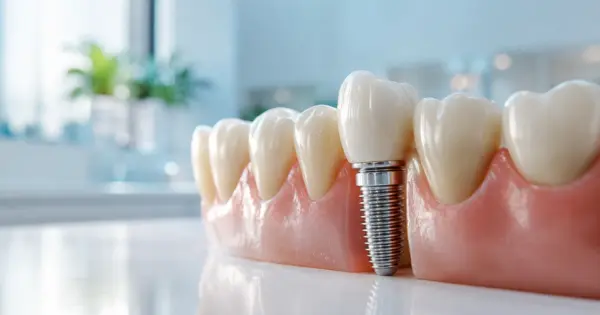
A dental implant has two main parts:
- The titanium implant is placed inside the jawbone.
- The crown (the visible tooth placed on top).
The implant itself is made from medical-grade titanium and is designed to become part of your jawbone. With proper care, this part can often last for decades.
The crown, however, experiences everyday chewing and biting forces. While it is made from strong materials like zirconia or ceramic, it may eventually need replacement after many years of normal use.
This doesn’t mean the implant has failed. In many cases, only the crown needs replacement while the implant remains healthy.
Knowing this difference helps patients understand what to expect over the long term.
What Really Determines How Long a Dental Implant Lasts?
Two people can receive the same implant on the same day and still have very different outcomes years later.
Several factors influence how long an implant lasts.
1. Healthy Gums Matter
Dental implants need healthy gums for long-term success.
If plaque builds up around the implant and gum disease develops, the surrounding bone can slowly weaken, reducing the implant’s stability.
This is why daily brushing, flossing, and professional cleaning are just as important after treatment as they were before.
2. The Quality of Bone
A strong jawbone provides a stable foundation for the implant.
If bone loss has already occurred, your dentist may recommend additional procedures before implant placement to improve long-term success.
3. Your Daily Habits
Smoking, uncontrolled diabetes, and poor oral hygiene can all reduce the lifespan of dental implants.
On the other hand, patients who maintain good oral hygiene and attend regular dental check-ups often enjoy their implants for many years.
4. The Treatment Planning
An implant is not simply “screwed into the bone.”
Careful planning, digital imaging, and correct placement all play an important role in achieving a stable, long-lasting result.
This is one reason why choosing an experienced implant dentist matters.
What Can Make a Dental Implant Fail Earlier?
One of the biggest myths is that once an implant is placed, you never have to think about it again.
In reality, implants need regular care—just like natural teeth.
Some of the most common reasons implants don’t last as long as expected include:
- Smoking after implant treatment.
- Poor oral hygiene.
- Ignoring bleeding or swollen gums.
- Skipping regular dental check-ups.
- Teeth grinding without wearing a night guard.
The good news is that most of these problems are preventable. During your follow-up visits, your dentist can often spot early signs of trouble before they become serious.
If you’re still deciding whether implants are the right option, you may also find our guide on who is a good candidate for dental implants helpful before starting treatment.
How Can You Make Your Dental Implant Last Longer?
Patients often ask us, “What can I do to make my implant last as long as possible?”
Fortunately, the answer is simple.
- Brush twice a day using a soft-bristled toothbrush.
- Clean between the implant and nearby teeth with floss or interdental brushes.
- Visit your dentist for regular professional cleaning and examinations.
- Avoid smoking, especially during the healing period.
- If you grind your teeth while sleeping, ask your dentist whether a night guard would help protect your implant.
These small habits can make a significant difference over the years.
Think of your implant as a long-term investment. A few minutes of daily care can help protect it for decades.
Is a Dental Implant Worth the Investment?
Many patients compare the cost of dental implants with bridges or removable dentures.
While implants usually have a higher upfront cost, they are often the more durable solution over the long term. Unlike a bridge, a dental implant doesn’t rely on neighbouring teeth for support, which helps preserve healthy natural teeth.
If you’re comparing different tooth replacement options, our detailed guide on dental implants vs bridges explains the advantages and limitations of each treatment.
Rather than focusing only on today’s cost, it’s worth thinking about how long the solution is expected to last and how comfortably it fits into your daily life.
A Long-Lasting Smile Starts with Good Planning
Dental implants have one of the highest long-term success rates in modern dentistry, but they aren’t a “fit-and-forget” treatment.
Choosing an experienced implant dentist, following the recommended aftercare, and attending regular check-ups all contribute to long-term success.
If you’re considering dental implants in Bangalore, a detailed consultation can help you understand whether you have enough bone, what treatment is involved, and how to care for your implant after it’s placed.
At Dentistree Advanced Dental & Implant Center, we create personalized treatment plans based on each patient’s oral health, lifestyle, and long-term goals, helping you make an informed decision with confidence.
Frequently Asked Questions
1. Do dental implants last forever?
Dental implants are designed to be a long-term solution. While the titanium implant can often last for decades, the crown attached to it may need replacement after many years of normal use.
2. Can dental implants last 20 or 30 years?
Yes. Many well-maintained dental implants continue to function successfully for 20 years or longer with proper oral hygiene and regular dental check-ups.
3. Can smoking reduce the lifespan of dental implants?
Yes. Smoking affects healing and increases the risk of gum disease, both of which can shorten the lifespan of a dental implant.
4. How often should dental implants be checked?
Most patients benefit from regular dental check-ups every six months, although your dentist may recommend a different schedule based on your oral health.
5. Can a failed dental implant be replaced?
In many cases, yes. After assessing the condition of the bone and gums, your dentist can discuss whether replacing the implant is the right option.
6. Are dental implants better than bridges in the long run?
Both treatments have their advantages, but dental implants are often considered a long-lasting solution because they replace the tooth root and help preserve the surrounding bone.

Dr. Samreen Farrah Siddiqui is a compassionate and experienced dental professional dedicated to providing exceptional oral care. A trusted dentist in Bangalore, she is the founder of Dentistrée Advanced Dental Center in Bangalore, offering a wide range of treatments, including general, orthodontic, restorative, and cosmetic dentistry. With a strong commitment to ethical practice and long-term oral health, Dr. Samreen Farrah Siddiqui ensures every patient receives personalised, high-quality dental care in a welcoming environment.