
Oral Cancer: Understanding the Causes, Symptoms, and Treatment Options
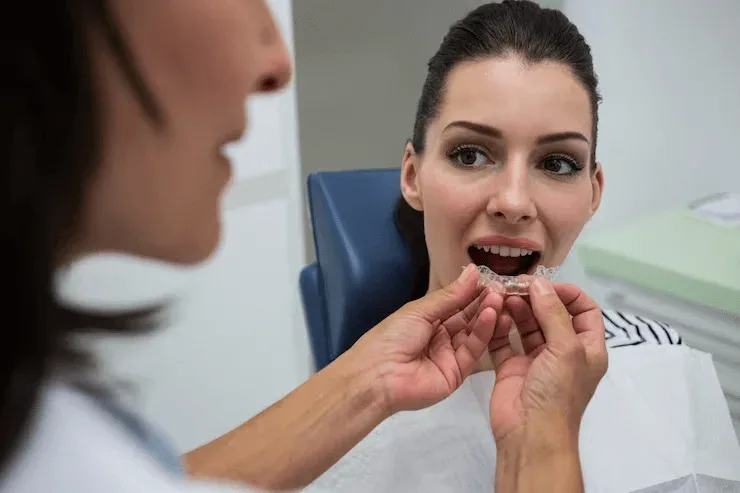
Oral cancer can develop in the tongue, lips, gums, throat, or the floor of the mouth. It is one of the more common types of cancer worldwide, and catching it early makes a significant difference in treatment outcomes. Understanding what causes oral cancer, what signs to watch for, and what treatment looks like can help you stay informed and take action if something feels off. Regular dental check-ups in Bangalore play an important role in early detection, since dentists are often the first to spot unusual changes inside the mouth.
What Causes Oral Cancer?
Several factors can increase the risk of developing oral cancer. Some of the most common ones include:
Tobacco use in any form, whether cigarettes, cigars, pipes, or chewing tobacco, is one of the leading risk factors. Heavy or long-term alcohol consumption also raises the risk, especially when combined with tobacco use. Certain strains of human papillomavirus (HPV) have been linked to oral cancers, particularly those affecting the back of the throat. Prolonged sun exposure increases the chance of developing cancer on the lips. A family history of cancer may also put some individuals at higher risk.
Not everyone who develops oral cancer has an obvious risk factor, which is why routine oral screenings matter.
What Are the Symptoms of Oral Cancer?
Symptoms can vary depending on where the cancer develops and how early it is caught. Some of the most common warning signs include:
A sore, lump, or thickened area inside the mouth that does not heal within two to three weeks. White or red patches on the gums, tongue, or lining of the mouth. Persistent hoarseness or changes in your voice. Numbness or pain in the lips, mouth, or face. Loose teeth or dentures that suddenly stop fitting properly. Difficulty swallowing, chewing, or moving the jaw. A lump or swelling in the neck.
If you notice any of these symptoms, do not wait for them to go away on their own. See a dentist or doctor as soon as possible for a proper evaluation.
How Is Oral Cancer Treated?
Treatment depends on the location, stage, and size of the tumour, as well as the patient’s overall health. Common treatment options include:
Surgery is often the first step, where the cancerous tissue is removed. In some cases, nearby lymph nodes may also be removed if there is a risk the cancer has spread. Radiation therapy uses high-energy beams to target and destroy cancer cells. It may be used on its own or alongside surgery. Chemotherapy uses medication to kill cancer cells and can be combined with surgery or radiation depending on the situation. Targeted therapy focuses specifically on cancer cells while trying to limit damage to healthy tissue. Supportive care, including pain management, nutritional guidance, and mental health support, helps patients cope during and after treatment.
Your treatment team will work with you to decide the best approach based on your individual situation.
How Can You Reduce Your Risk?
While not all cases of oral cancer can be prevented, there are steps you can take to lower your risk. Avoiding tobacco in all forms is the single most effective thing you can do. Limiting alcohol intake also helps, particularly if you currently smoke. Practising safe habits can reduce the risk of HPV infection. Protecting your lips from prolonged sun exposure with lip balm or a hat makes a difference too. Maintaining good oral hygiene and visiting your dentist regularly ensures that any early changes are caught before they have a chance to progress.
Oral cancer is serious, but early detection improves outcomes significantly. If anything inside your mouth looks or feels unusual, getting it checked early is always the right call. Patients who struggle with dental phobia and anxiety should know that modern clinics make screening visits as comfortable and stress-free as possible. Staying aware of how to choose the best dentist in Bangalore also helps, since finding a clinic you trust makes it easier to keep up with regular visits. For those experiencing tooth sensitivity alongside other symptoms, understanding the causes and finding the right care early can prevent further complications. At Dentistree Advanced Dental & Implant Center, our team is here to help with thorough oral screenings and personalised guidance at every stage.

Dr. Kaushik Pai is a Consultant Craniofacial & Maxillofacial Surgeon and Implantologist at Dentistree Advanced Dental & Implant Center, Bangalore. He graduated from J.S.S. Dental College and completed his Masters in Oral & Maxillofacial Surgery from the prestigious Government Dental College, Chennai. He has performed over 3,000 minor oral surgeries and 600+ major maxillofacial surgical procedures. Dr. Pai specializes in minor oral surgeries, dental implantology, maxillofacial trauma management, TMJ conditions and surgeries, arthrocentesis, arthroscopy, orthognathic (jaw correction) surgery, and cosmetic facial procedures. He is currently pursuing a Post Doctoral Fellowship in Craniofacial & Facial Cosmetic Surgery at Mazumdar Shaw Medical Centre, Narayana Hrudayalaya, Bangalore.