
Keeping your teeth clean matters at every stage of life, but it becomes even more important when you start wearing clear aligners. Many people feel excited about improving their smile, yet they often worry about whether aligners will make brushing and flossing harder.
This concern is valid because oral hygiene plays a big role in how healthy your teeth and gums stay during treatment.
Clear aligners sit closely against your teeth for most of the day. When food bits or plaque are left behind, they can stay trapped for hours. Over time, this can lead to tooth decay, gum swelling, or bad breath.
The good news is that when used the right way, invisalign can actually encourage better oral care habits. Learning how aligners affect daily cleaning helps patients avoid common mistakes and protect their smile throughout treatment.
Understanding Oral Hygiene Basics with Clear Aligners
What Oral Hygiene Really Means
Oral hygiene is the daily care you give your mouth to keep it healthy. This includes brushing your teeth, flossing between them, cleaning your tongue, and visiting a dentist regularly.
These simple habits remove plaque, which is a sticky layer of bacteria that forms on teeth every day. When you begin Invisalign in Bangalore treatment, these habits become even more important because aligners sit closely over your teeth for most of the day.
If plaque is not cleaned away, it can slowly damage the enamel and irritate the gums. This may cause cavities, bleeding gums, or unpleasant breath. Wearing aligners does not change these basics.
In fact, it increases the need for good oral care, as trapped food and bacteria can build up faster under aligners if cleaning is skipped. Consistent brushing and flossing help keep your teeth healthy while your smile is being straightened.
How Aligners Sit on Teeth
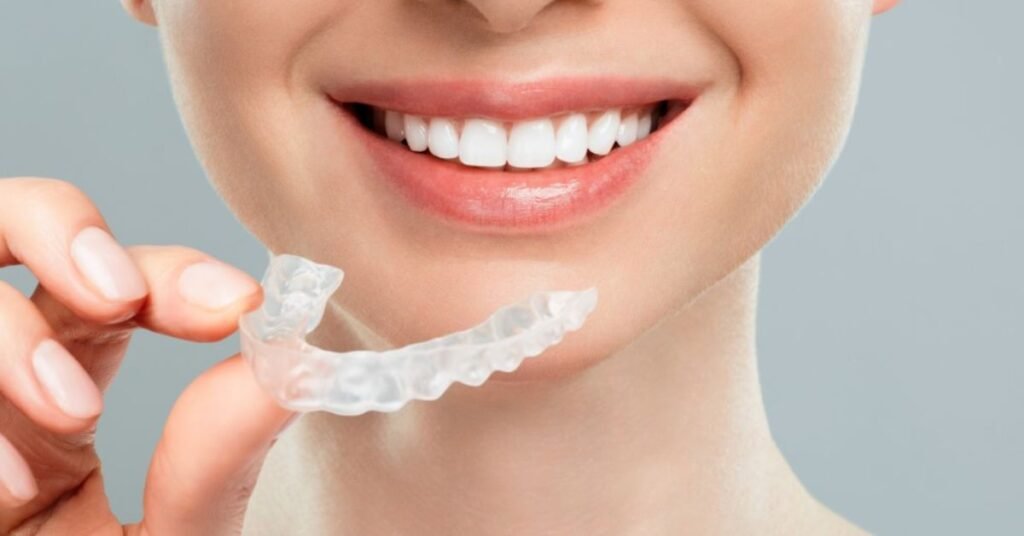
Clear aligners are custom-made trays that fit snugly over your teeth. They apply gentle pressure to guide teeth into better positions over time. Because they sit so close to the tooth surface, anything left behind on the teeth can remain trapped under the tray.
This is why brushing and flossing before putting aligners back in is essential. Clean teeth reduce the chance of bacteria building up under the trays and help keep your mouth comfortable during treatment.
How Wearing Aligners Changes Daily Cleaning Habits
Brushing More Often Than Before
Before starting treatment, many people brush twice a day. Once aligners are part of daily life, brushing often increases to three or four times a day. Every time you eat or drink anything other than water, brushing is needed before wearing the trays again.
This habit helps remove food particles and plaque that could otherwise stay pressed against the teeth. Over time, frequent brushing keeps aligners clearer and lowers the risk of tooth decay during treatment.
Flossing Becomes More Important
Flossing cleans the tight spaces between teeth where toothbrushes cannot reach. When aligners are worn, food trapped between teeth can cause problems faster than usual. Daily flossing removes these hidden bits and protects the gums from swelling or bleeding.
Patients who floss regularly during treatment often notice healthier gums and fresher breath. This simple step makes a big difference in long-term oral health.
Impact on Plaque and Tartar Build-Up
Why Plaque Forms Faster with Poor Habits
Plaque forms naturally in every mouth, even with good hygiene. When aligners trap plaque against the teeth, bacteria have more time to damage the enamel. This can lead to white spots on teeth, which are early signs of decay.
Aligners themselves do not cause plaque. Poor cleaning habits do. That is why dentists strongly advise brushing and flossing before putting trays back in after meals or snacks.
Professional Cleanings Still Matter
Even with excellent home care, professional dental cleanings are still important. Dentists use special tools to remove hardened plaque, also called tartar, which cannot be removed by brushing alone.
Regular cleanings allow dentists to check gum health and catch small issues early. This keeps treatment moving smoothly and helps maintain healthy teeth and gums.
How Aligners Affect Gum Health
Keeping Gums Healthy During Treatment
Healthy gums are pink, firm, and do not bleed easily. If gums become red, swollen, or sore, it may be a sign that plaque is building up. Wearing aligners with irritated gums can feel uncomfortable and may slow progress.
Good daily cleaning habits help keep gums calm and healthy. Cleaning the aligners themselves also helps prevent irritation caused by bacteria or dried saliva.
Signs Gums Need More Care
Bleeding while brushing, ongoing bad breath, or gum soreness are signs that oral care needs improvement. These signals should not be ignored. Visiting a dentist for advice can prevent small gum problems from turning into bigger ones.
Eating Habits and Oral Hygiene
Why Aligners Must Be Removed Before Eating
Aligners should always be removed before meals. Eating with them on can damage the trays and trap food against the teeth, raising the risk of cavities and stains.
Many patients are guided by the best dentist in Bangalore to remove aligners before eating and brush afterward to keep both teeth and aligners clean and healthy.

Choosing Tooth-Friendly Foods
Sugary and sticky foods increase the risk of cavities, especially when aligners are worn. Drinking water after meals and limiting sweet snacks can help wash away food particles.
Simple food choices such as fruits, vegetables, and dairy products support stronger teeth and better gum health during treatment.
Cleaning and Caring for Aligners
Daily Aligner Cleaning Routine
Aligners should be cleaned at least twice a day. Rinsing them with lukewarm water and gently brushing them with a soft toothbrush helps remove bacteria and saliva buildup.
Hot water should be avoided because it can change the shape of the trays. Clean aligners feel fresher and fit better throughout the day.
Avoiding Common Cleaning Mistakes
Some people use toothpaste on aligners, which can scratch the surface and make them look cloudy. Others forget to clean their trays regularly, leading to unpleasant smells.
Using dentist-recommended cleaning solutions keeps aligners clear and hygienic without damaging them.
Effects on Breath Freshness
Why Bad Breath Can Happen
Bad breath usually comes from bacteria in the mouth. When aligners trap bacteria against teeth, odour can develop if cleaning habits are poor. This can feel uncomfortable in social situations.
Simple Ways to Keep Breath Fresh
Brushing the tongue, drinking water often, and cleaning aligners daily help keep breath fresh. These habits make wearing aligners more comfortable and boost confidence throughout the day.
Oral Hygiene Challenges for Teenagers and Adults
Common Struggles for Younger Patients
Teenagers may forget to brush after snacks or may leave aligners out for too long. These habits can lead to plaque buildup and slower progress. Support from parents helps younger patients stay consistent.
Busy Adult Schedules
Adults often struggle to clean their teeth during work hours. Carrying a small toothbrush and floss makes it easier to maintain good hygiene away from home.
Long-Term Oral Health Benefits
Building Better Habits
Many patients develop stronger oral hygiene habits during treatment. Brushing more often and flossing daily can become part of everyday life. These habits protect teeth long after aligners are removed.
Healthier Smiles After Treatment
Straight teeth are easier to clean. Once treatment is complete, many patients find brushing and flossing simpler and more effective. This leads to fewer cavities and healthier gums over time.
Role of Dental Check-Ups During Treatment
Monitoring Oral Health Progress
Dental visits during treatment allow dentists to monitor both tooth movement and oral health. These check-ups help spot early signs of plaque buildup or gum irritation.
Patients in Bangalore often attend regular appointments to make sure aligners fit properly and oral health remains stable throughout treatment.
Getting Advice When Needed
If staining, discomfort, or gum issues appear, dentists can suggest simple changes to improve daily care. These small adjustments help prevent long-term problems.
Supporting Details from Patient Experiences
Many patients report brushing more often after starting treatment and feeling more aware of their oral health. Dentists also notice fewer gum problems in patients who follow cleaning instructions carefully.
Studies show that good oral hygiene during clear aligner treatment lowers the risk of cavities and gum disease.
Patients treated at Dentistree Advanced Dental & Implant Center often share that learning proper cleaning routines helped them feel more confident about their smile and overall oral health.
Conclusion
Clear aligner treatment supports better oral hygiene when patients follow simple habits like removing trays before meals, brushing after eating, flossing daily, and cleaning aligners well.
These steps reduce plaque and protect gums. With regular check-ups, patients in Bangalore can enjoy smoother results with guidance from Dentistree Advanced Dental & Implant Center.
Sources:
- https://aaoinfo.org/treatments/aligners/
- https://www.ida.org.in/Public/Details/DTOrthodonticProcedure
- https://pmc.ncbi.nlm.nih.gov/articles/PMC8871989/
- https://pmc.ncbi.nlm.nih.gov/articles/PMC4569994/

Dr. Samreen Farrah Siddiqui is a compassionate and experienced dental professional dedicated to providing exceptional oral care. A trusted dentist in Bangalore, she is the founder of Dentistrée Advanced Dental Center in Bangalore, offering a wide range of treatments, including general, orthodontic, restorative, and cosmetic dentistry. With a strong commitment to ethical practice and long-term oral health, Dr. Samreen Farrah Siddiqui ensures every patient receives personalised, high-quality dental care in a welcoming environment.