
Tooth pain can make everyday tasks difficult, and many people worry that it means losing a tooth. But modern dentistry aims to save natural teeth whenever possible.
A root canal is a common treatment that removes infection from inside the tooth while keeping the outer structure strong. Saving your natural teeth helps maintain proper chewing, protects jawbone health, and keeps your bite stable.
When a dentist preserves a tooth instead of removing it, you avoid long-term problems and keep your smile healthier. Understanding how a root canal works can ease anxiety and help you feel more confident about the procedure.
Why Saving Your Natural Teeth Still Matters
Natural teeth are incredibly durable. They are built to handle pressure, temperature changes, and daily use with ease. Even though dentistry now offers many replacement options, none of them feel or function exactly like your own tooth.
That is why dentists always try to save natural teeth before suggesting extraction. Many patients who visit the best dentist in Bangalore also learn that preserving the natural tooth structure leads to better long-term comfort and stability.
Removing a tooth may seem like a quick solution, but it can lead to future challenges. When you lose a tooth, your bite can change, chewing becomes harder, and the jawbone underneath may begin to shrink.
Saving natural teeth keeps your mouth balanced and avoids these complications. Every tooth plays a role, and losing even one can affect how the rest of your teeth work.
How Natural Teeth Support Oral Health
Natural teeth help you chew food thoroughly, which is important for digestion. They keep your bite even and stable by supporting one another.
They also help you speak clearly, giving your lips and tongue the right support for proper speech. Another important role of natural teeth is keeping your jawbone healthy.
When you chew, your teeth send signals to the bone to stay active and strong. Without these signals, the bone can weaken over time.
Your natural teeth also affect your emotional well-being. A complete smile helps you feel confident in conversations, photos, and social situations.
Knowing that your teeth are healthy and real provides a sense of comfort that artificial replacements cannot fully match.
What Happens When a Tooth Is Lost Early
Losing a tooth before it is necessary can cause several problems. Teeth around the empty space begin to shift slowly. When this happens, the bite becomes uneven.
You may feel extra pressure on certain teeth while chewing, which can lead to discomfort or wear on those teeth. Sometimes, an unbalanced bite causes jaw soreness or headaches.
A space between teeth makes it easy for food to get trapped, which increases the chance of gum infection. Over time, the jawbone under the missing tooth can shrink because it no longer receives the stimulation it needs.
This shrinkage can change the shape of your face and make future dental treatments more challenging.
That’s why dentists often recommend saving the natural tooth with procedures like best root canal treatment in Bangalore, as this approach helps protect your bite, maintain bone strength, and avoid long-term complications.
What Exactly Is Root Canal Treatment?
Think of this procedure as a deep cleaning for the inside of a tooth. When the soft inner tissue, called the pulp, becomes infected or damaged, the dentist needs to remove the infection to stop the pain and protect the tooth.
This treatment is common in many cities, including Bangalore, where people are becoming more aware of how important it is to save their natural teeth.
This procedure does not remove the entire tooth. It only removes the infected pulp inside while keeping the strong outer shell.
Once the infection is gone, the dentist seals the inside and restores the outer part so the tooth can continue working normally. This allows you to chew, speak, and smile without discomfort.

Understanding the Structure Inside a Tooth
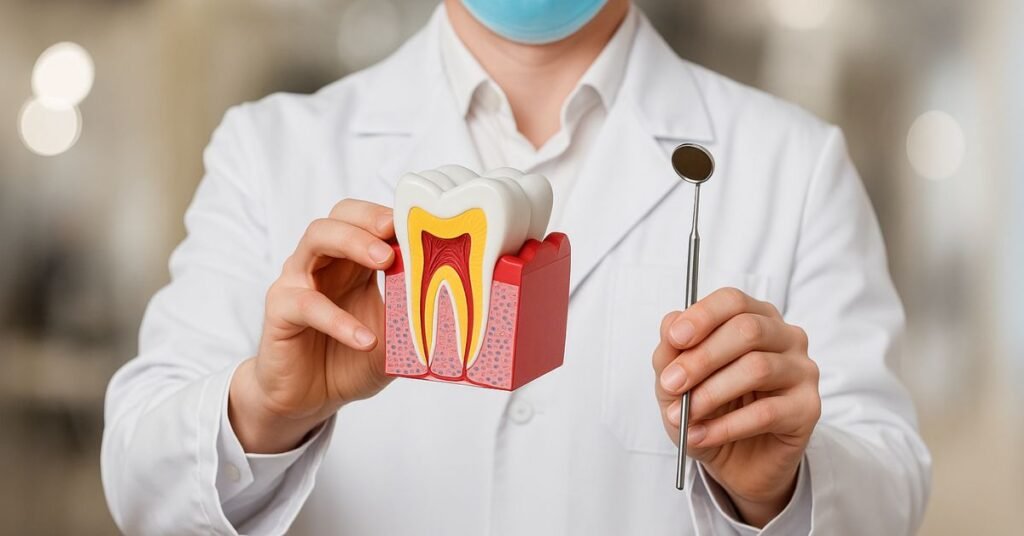
A tooth has three key layers. The outer layer is enamel, the hardest material in the human body. Beneath it is dentin, which is slightly softer and supports the enamel. At the center is the pulp, a soft area containing nerves and blood vessels.
When bacteria reach the pulp through deep decay, cracks, or injury, the pulp becomes infected. This infection causes swelling, pain, and pressure.
Once the pulp is infected, it cannot heal on its own. If the infection spreads, it may form an abscess, which can be extremely painful.
Treating the tooth early prevents the problem from growing and helps protect the surrounding bone and gums.
When Do Dentists Recommend It?
Dentists suggest this procedure when the pulp is too damaged or infected to recover. Deep cavities, cracks, and old fillings can expose the pulp to bacteria.
Signs that you may need this treatment include constant pain, sensitivity to hot or cold foods, gum swelling, darkening of the tooth, or pain while chewing.
Sometimes, an infected tooth shows no pain at all, which is why regular checkups are important. Early detection increases the chances of saving the tooth.
How Does Root Canal Treatment Save Natural Teeth?
This treatment saves the tooth by removing the infection that threatens it. When the pulp becomes infected, the tooth weakens from the inside. Clearing the infection gives the tooth a fresh start and helps it stay strong for years.
Many people in Bangalore choose this procedure because it allows them to keep their natural teeth and avoid more complex dental work later.
Step-by-Step Explanation
The dentist begins by numbing the tooth to keep you comfortable. Once the area is numb, a small opening is made at the top of the tooth to reach the infected pulp.
The dentist gently removes the bacteria and damaged tissue. Cleaning the inside of the tooth is important because it prevents the infection from spreading.
After cleaning, the inner canals are shaped and prepared for filling. A safe material is placed inside to support the tooth and keep bacteria out.
The opening is sealed to protect the tooth from further infection. Many patients receive a dental crown after the treatment to strengthen the tooth and protect it from cracking during chewing.
Why Removing Infection Saves the Tooth
Once the infection is gone, the painful pressure inside the tooth disappears. The tooth is no longer in danger of spreading bacteria to the surrounding gums or bone.
Even though the pulp is removed, the tooth can still work normally because the outer structure remains strong.
The root stays in place, keeping the tooth stable. This allows you to chew comfortably, smile confidently, and use the tooth just as you always have.
Common Myths vs. Actual Facts
There are many misunderstandings about this procedure. One common myth is that it is extremely painful. With modern numbing methods, the procedure is usually comfortable. Another myth is that removing the tooth is a better solution.
But extraction often leads to long-term problems like shifting teeth and bone loss. Some people also believe that the treated tooth becomes weak forever. When a dental crown is added, the restored tooth becomes strong enough for daily use.
Myth-Based Comparisons
Many people worry because they have heard stories that make the treatment sound complicated. But once they understand how simple the steps are, the fear usually fades.
The procedure has a high success rate, and most patients return to their usual routine quickly. The relief from pain is often immediate, and the tooth can stay healthy for many years after treatment.
What Happens After the Procedure?
Once the treatment is finished, the tooth may feel slightly tender for a short time. This is normal and usually improves quickly. Most people return to their normal day without much trouble.
Your dentist may suggest placing a crown on the tooth to keep it strong. A dental crown protects the tooth during chewing and helps it last longer.
How Long a Treated Tooth Can Last
With proper brushing, flossing, and regular dental visits, a treated tooth can last many years. In many cases, it lasts a lifetime.
During the procedure, dentists work carefully to preserve the strong structure of the tooth, which is why clinics like Dentistree Advanced Dental & Implant Center help patients understand how valuable it is to save natural teeth whenever possible.
Conclusion
Saving natural teeth protects your smile, your comfort, and your long-term oral health. This procedure removes infection, protects the tooth from further damage, and keeps your bite stable.
When a natural tooth is preserved, you avoid many future problems linked to extraction. For gentle care and clear guidance, Dentistree Advanced Dental & Implant Center is ready to support your dental needs.
If you feel tooth pain or sensitivity, scheduling a visit can help you find the most effective way to protect your smile.
Sources:
- https://www.cdc.gov/oral-health/
- https://www.aae.org/patients/root-canal-treatment/what-is-a-root-canal/
- https://www.nhs.uk/tests-and-treatments/root-canal-treatment/
- https://www.aae.org/patients/root-canal-treatment/what-is-a-root-canal/

Dr. Samreen Farrah Siddiqui is a compassionate and experienced dental professional dedicated to providing exceptional oral care. A trusted dentist in Bangalore, she is the founder of Dentistrée Advanced Dental Center in Bangalore, offering a wide range of treatments, including general, orthodontic, restorative, and cosmetic dentistry. With a strong commitment to ethical practice and long-term oral health, Dr. Samreen Farrah Siddiqui ensures every patient receives personalised, high-quality dental care in a welcoming environment.