
Invisalign Aftercare and Post-Treatment Instructions | Invisalign Care Guide
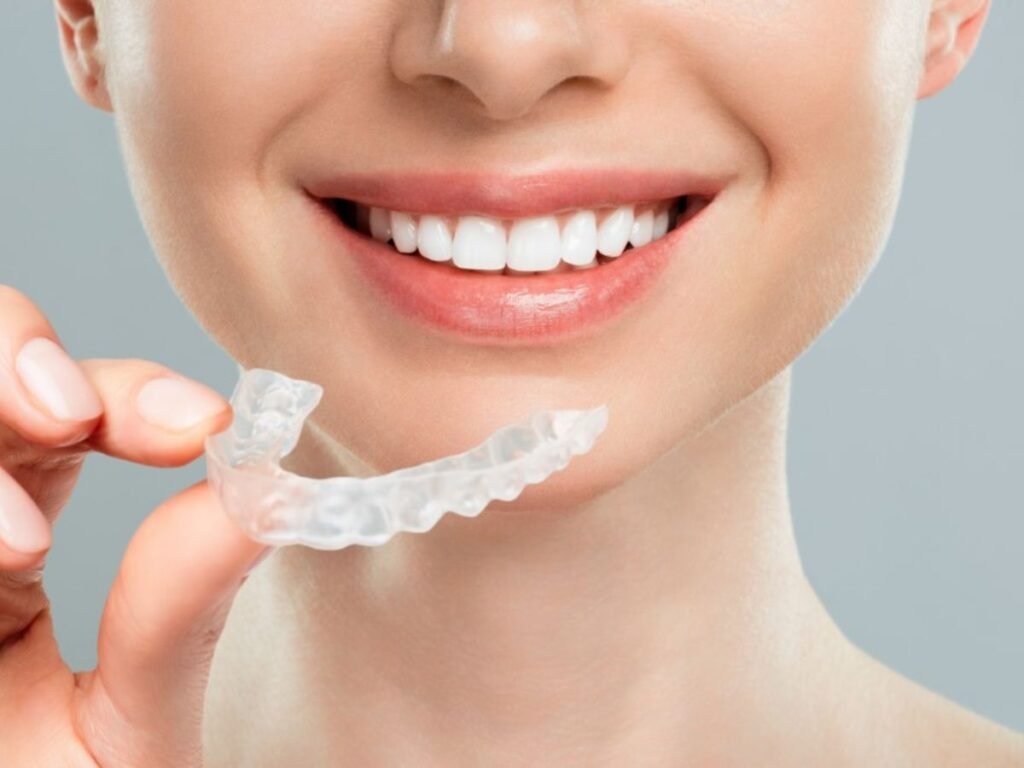
Invisalign clear aligners are a popular orthodontic treatment used to straighten teeth comfortably and discreetly.
Unlike traditional braces, Invisalign aligners are removable, making it easier to maintain oral hygiene and eat normally.
Proper Invisalign aftercare and maintenance are essential to ensure treatment progresses as planned and delivers the best results.
At Dentistree Advanced Dental & Implant Center, we guide patients on how to care for their Invisalign aligners and maintain good oral health throughout treatment.
Invisalign Aftercare Instructions
1. Wear Your Aligners for 20–22 Hours Daily
For Invisalign to work effectively:
• Wear aligners 20–22 hours per day
• Remove them only while eating, drinking (except water), and brushing
Wearing aligners less than recommended may delay treatment.
2. Remove Aligners While Eating or Drinking
Always remove aligners before consuming food or beverages.
Eating with aligners can cause:
• Damage or cracks
• Staining
• Bacterial buildup
Only plain water should be consumed while wearing aligners.
3. Clean Your Aligners Daily
Proper cleaning prevents plaque buildup and odor.
Recommended cleaning steps:
• Rinse aligners with lukewarm water
• Brush gently with a soft toothbrush
• Use clear antibacterial soap or aligner cleaning solution if recommended
Avoid hot water as it may warp the aligners.
4. Maintain Excellent Oral Hygiene
Good oral hygiene is crucial during Invisalign treatment.
• Brush after every meal before wearing aligners again
• Floss daily
• Use mouthwash if recommended by your dentist
Placing aligners over unclean teeth can trap bacteria and cause tooth decay. Wearing clear aligners actually changes your daily brushing and flossing habits, and understanding how Invisalign affects oral hygiene can help you avoid common mistakes during treatment.
5. Store Aligners Safely
When not wearing aligners:
• Always place them in the protective Invisalign case
• Avoid wrapping them in tissues or napkins
Improper storage may lead to lost or damaged aligners.
6. Change Aligners as Recommended
Your dentist will provide a series of aligners designed to gradually move your teeth.
Most patients change aligners every 1–2 weeks.
Follow your dentist’s instructions before switching to the next aligner. The total number of aligner sets varies depending on the complexity of each case, and treatment timelines can range from a few months to over a year.
7. Expect Mild Pressure with New Aligners
When switching to a new aligner set you may experience:
• Mild pressure on teeth
• Temporary soreness
This usually improves within 1–2 days and indicates teeth are moving. Some patients worry about discomfort before starting treatment, but most find that Invisalign is far more comfortable than traditional braces.
8. Avoid Smoking While Wearing Aligners
Smoking while wearing aligners may cause:
• Staining
• Odor buildup
• Damage to aligners
Remove aligners before smoking and clean them before reinserting.
9. Attend Regular Dental Check-Ups
Routine visits help monitor Invisalign progress.
During follow-ups your dentist may:
• Check tooth movement
• Provide the next set of aligners
• Adjust treatment if necessary
Invisalign Retainer Instructions After Treatment
After completing Invisalign treatment, retainers may be recommended to maintain your results.
Retainers help prevent teeth from shifting back and are often worn at night as advised by your dentist.
When to Contact Your Dentist
Contact your dentist if you experience:
• Broken or cracked aligners
• Aligners not fitting properly
• Severe discomfort
• Lost aligners
Frequently Asked Questions
How many hours should I wear Invisalign aligners daily?
Aligners should be worn 20–22 hours per day for effective treatment.
Can I drink coffee while wearing Invisalign?
No. Remove aligners before drinking coffee or other beverages to prevent staining.
How do I clean my Invisalign aligners?
Rinse with lukewarm water and brush gently with a soft toothbrush or mild soap.
Is Invisalign painful?
Invisalign may cause mild pressure when switching to new aligners but is generally comfortable.

Dr. Anup Singhvi is an Orthodontist at Dentistree Advanced Dental & Implant Center, Bangalore, specializing in teeth alignment and bite correction. He holds a BDS from JSS Dental College & Hospital and a PhD in Orthodontics & Dentofacial Orthopaedics from Bapuji College of Dental Sciences, Davangere. He is also a Fellow of the Academy of General Education (FAGE) from Manipal University. Dr. Singhvi is a pioneer in lingual orthodontics — braces placed behind the teeth for a virtually invisible treatment experience. He provides expert care in ceramic braces, metal braces, Invisalign clear aligners, and advanced orthodontic treatments for both teens and adults.