
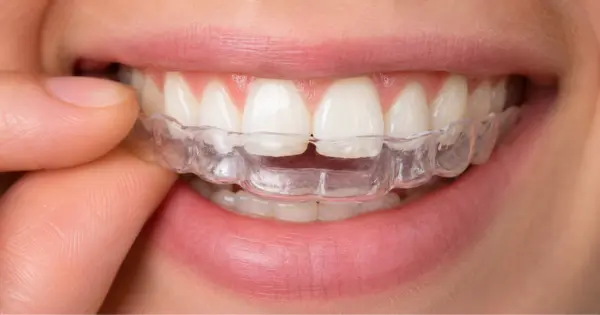
Is Your Invisalign Not Tracking Properly?
You’ve been wearing your Invisalign aligners every day, and everything seemed to be going well. Then one day, you put in your new tray and something doesn’t feel right.
Maybe the aligner won’t sit completely on one tooth. Maybe there’s a small gap between the aligner and your teeth. Or perhaps one side fits perfectly while the other feels loose.
If you’ve noticed any of these signs, your Invisalign may not be tracking properly.
The good news is that Invisalign Not Tracking doesn’t always mean your treatment has failed. In many cases, the problem can be corrected if it’s identified early. The worst thing you can do is ignore it and continue changing trays without speaking to your dentist.
Let’s look at what it means, why it happens, and when you should get it checked.
What Does Invisalign Not Tracking Mean?
Simply put, Invisalign Not Tracking means your teeth are not moving the way your current aligner was designed to move them.
Every aligner is made to fit your teeth at a specific stage of treatment. As your teeth move, each new tray should fit comfortably with only slight pressure.
When an aligner no longer fits properly, it usually means one or more teeth haven’t reached the planned position.
Some common signs include:
- A visible gap between the aligner and your teeth.
- One side of the tray won’t fully seat.
- The aligner feels loose on certain teeth.
- You have to push hard every time you wear it.
- The tray rocks or lifts when you bite down.
A small gap doesn’t always mean something is seriously wrong, but if the fit continues to worsen after a few days, it’s time to contact your dentist instead of hoping it will fix itself.
Why Does Invisalign Not Tracking Happen?
There isn’t just one reason.
In our experience, most tracking problems happen because of a few common situations.
The biggest reason is not wearing the aligners for long enough each day.
Invisalign should normally be worn for 20 to 22 hours daily. Removing them too often for meals, snacks, or long social events can slow tooth movement. Even missing a few hours each day can make a difference over several weeks.
Another common reason is switching to the next aligner too early.
Some patients move to the next tray because the schedule says it’s time, even though the current aligner still feels tight. If your teeth haven’t finished moving, the next tray may not fit correctly.
Broken or loose Invisalign attachments can also affect tracking. These small tooth-colored bumps help the aligners move certain teeth more precisely. If one falls off, the planned movement may slow down.
Finally, remember that every person’s teeth move at a different speed. Some teeth respond quickly, while others take longer than expected. This doesn’t necessarily mean anything is wrong—it simply means your treatment may need a small adjustment.
If you already have Invisalign treatment in Bangalore, attending your regular review appointments helps your dentist identify these problems before they become bigger.
Typical Reasons for Invisalign Not Tracking
| Problem | What Can Happen |
| Wearing aligners for less than 20 hours a day | Teeth may fall behind the planned movement. |
| Switching to the next tray too early | The new aligner may not fit properly. |
| Broken or missing attachments | Certain teeth may stop moving as expected. |
| Missing follow-up appointments | Small tracking problems may go unnoticed. |
| Teeth moving slower than expected | Your dentist may recommend wearing the current tray longer or making small adjustments. |
Signs Your Invisalign Is Not Tracking Properly
Many patients ask us,
“How do I know if this is just a tight aligner or if something is actually wrong?”
A new Invisalign tray should feel tight for the first day or two, but it should still fit over your teeth.
You may have this problem if you notice:
- A visible gap between the aligner and one or more teeth.
- The aligner won’t fully seat even after wearing it for a few days.
- One side of the aligner lifts when you bite down.
- The tray feels loose around certain teeth.
- A tooth doesn’t seem to be moving while the others are.
If these problems continue for several days, don’t ignore them. The earlier they’re corrected, the easier they usually are to fix.
Can Invisalign Not Tracking Be Fixed?
Yes, in most cases.
The treatment doesn’t usually have to start over.
What your dentist recommends depends on why the Invisalign is not tracking.
Sometimes, the solution is as simple as wearing your current aligner for a few extra days. This gives your teeth more time to catch up with the planned movement.
Your dentist may also recommend using Invisalign chewies. These soft rubber cylinders help the aligner fit more closely against your teeth and can improve the way the aligners seat.
If an attachment has fallen off, it can usually be replaced during a short appointment.
In some situations, your dentist may take a new digital scan and order refinement aligners. These are additional aligners designed to correct any teeth that haven’t moved as expected and bring your treatment back on track.
The important thing is to identify the problem early instead of hoping it will correct itself.
Should You Move to the Next Tray?
In most cases, no.
If your current aligner isn’t fitting properly, moving to the next tray may make the problem worse.
Many patients think the next aligner will somehow “push” the teeth into position, but that’s not how Invisalign works.
Each tray is designed for teeth that have already reached a specific stage. If they’re behind schedule, the next aligner may fit even less accurately.
Instead, contact your dentist before changing trays.
A quick examination can determine whether you simply need more time with your current aligner or if another adjustment is needed.
Don’t Ignore Invisalign Not Tracking
Seeing a small gap between your aligner and your teeth can be worrying, but it doesn’t automatically mean your Invisalign treatment has failed.
Most cases of Tracking can be corrected with early intervention, whether that’s wearing the aligner longer, replacing an attachment, or using refinement trays.
If you’re receiving Invisalign treatment in Bangalore, don’t wait until your next scheduled appointment if your aligners no longer fit properly. Having the issue checked early can help keep your treatment on schedule and avoid unnecessary delays.
If you’re still deciding whether Invisalign is right for you, you may also find our guides on Can Invisalign Fix Gaps Between Teeth? and How Long Does Invisalign Take? helpful.
Frequently Asked Questions
What does Invisalign Not Tracking mean?
It means your teeth are not moving as planned, causing the aligners to no longer fit correctly.
Can Invisalign Not Tracking be fixed?
Yes. Many tracking problems can be corrected by wearing the current tray longer, replacing attachments, using chewies, or ordering refinement aligners.
Should I move to the next Invisalign tray if it doesn’t fit?
No. You should contact your dentist before changing to the next aligner.
Do Invisalign chewies help with tracking?
Yes. Chewies can help the aligners fit more closely against your teeth and may improve tracking in some cases.
Can broken attachments cause Invisalign Not Tracking?
Yes. Missing or damaged attachments can reduce the aligner’s ability to move certain teeth correctly.
Will I need new aligners if my Invisalign is not tracking?
Not always. Some patients simply need to wear their current tray longer, while others may benefit from refinement aligners if additional tooth movement is needed.
Source:
AAO
Invisalign

Dr. Samreen Farrah Siddiqui is a compassionate and experienced dental professional dedicated to providing exceptional oral care. A trusted dentist in Bangalore, she is the founder of Dentistrée Advanced Dental Center in Bangalore, offering a wide range of treatments, including general, orthodontic, restorative, and cosmetic dentistry. With a strong commitment to ethical practice and long-term oral health, Dr. Samreen Farrah Siddiqui ensures every patient receives personalised, high-quality dental care in a welcoming environment.